Mia Coleman · 26 October 2026
Mapping the Influence of Search Functionalities on Opportunity Discovery in Professional Online Hubs
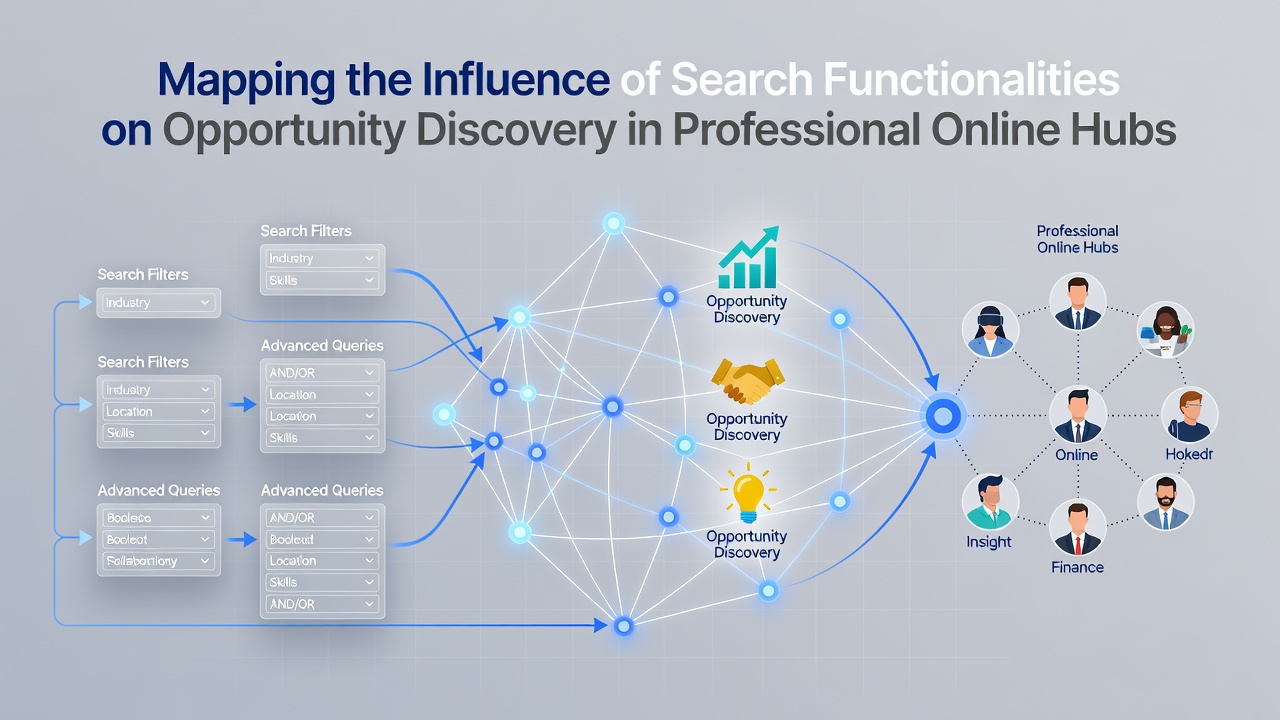
Professional online hubs have evolved into complex ecosystems where search functionalities serve as primary gateways for opportunity discovery, and researchers have tracked how these tools shape user access to jobs, collaborations, and career advancements over multiple years. Data from platform analytics reveal that refined search parameters including keyword matching, location filters, and experience thresholds directly correlate with higher rates of successful connections between users and relevant postings. Observers note that when platforms introduce semantic search capabilities, participation in opportunity-seeking behaviors increases because users encounter more precise results rather than broad lists that require extensive manual review.
Core Mechanics of Search in Professional Networks
Search systems in these hubs operate through layered algorithms that process user queries against vast databases of profiles, job listings, and project opportunities, while incorporating signals such as past interactions and network proximity to rank outputs. Studies conducted by academic institutions indicate that basic keyword searches yield lower engagement compared to advanced options that allow sorting by recency, relevance scores, or industry-specific tags, and this distinction matters because it influences how quickly individuals identify viable paths forward. Those who have analyzed user logs find that filters for remote work availability or diversity criteria expand the pool of discoverable opportunities without overwhelming participants with noise.
Platform operators have integrated machine learning models that adapt results based on collective behavior patterns, which means a search for project management roles might surface related mentorship listings or skill-building events when historical data shows such combinations lead to higher application rates. Evidence from longitudinal tracking shows these adaptive features reduce the average time from query to action, particularly in sectors like technology and healthcare where opportunity cycles move rapidly.
Data Patterns and User Behavior Shifts
Figures from multiple platform reports demonstrate that users who employ multi-criteria searches discover opportunities at rates up to forty percent higher than those relying on simple terms, and this pattern holds across regions including North America and Europe. Researchers have mapped how visibility algorithms reward profiles that incorporate searchable keywords from job descriptions, creating a feedback loop where optimized content receives greater exposure in subsequent searches. One analysis of participation metrics following search interface updates found sustained increases in cross-border opportunity applications, as geographic filters became more intuitive and reliable.
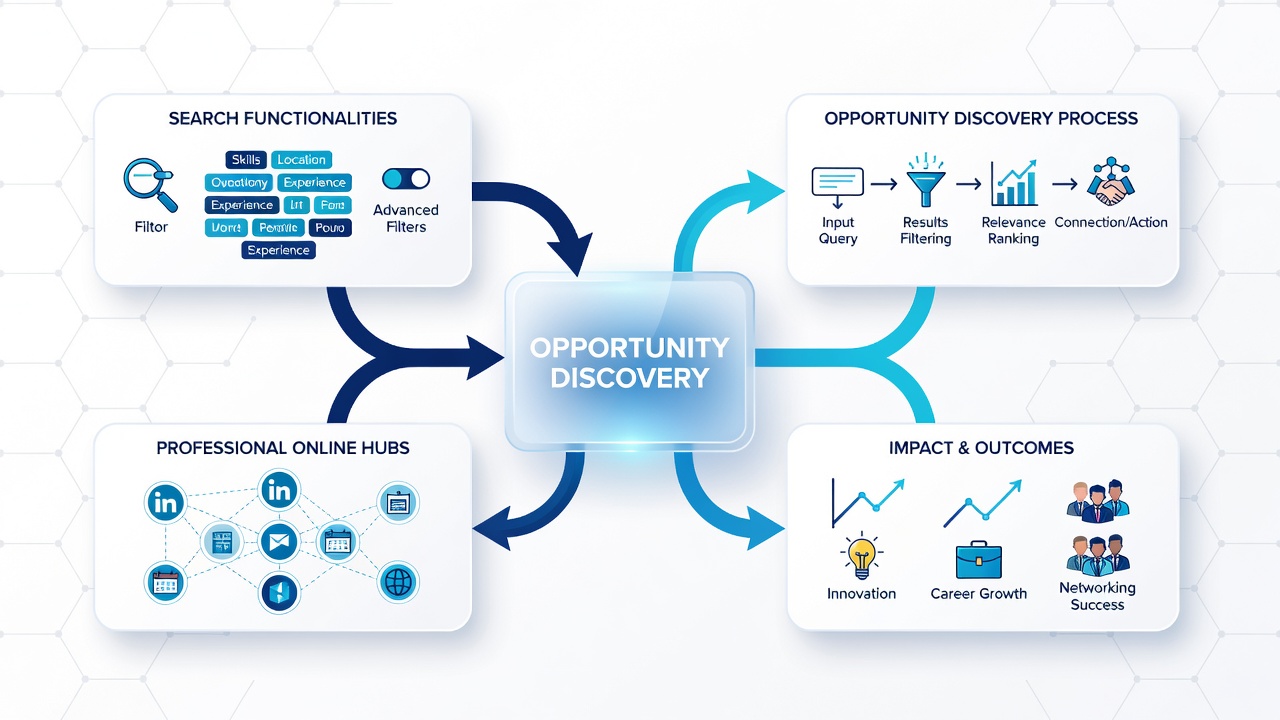
What's interesting emerges when examining October 2026 developments, as several major hubs rolled out enhanced natural language processing features that interpret conversational queries such as "find leadership roles in sustainable energy with flexible hours," and early adoption data suggest these changes have accelerated discovery for mid-career professionals who previously navigated rigid dropdown menus. According to an OECD analysis of digital platform dynamics, such advancements align with broader trends in workforce mobility across member countries, where search precision supports better matching between talent and emerging roles in green industries.
Regional Variations and Platform Comparisons
Comparisons across different professional hubs reveal that those with robust API integrations for external data sources tend to deliver more comprehensive results, allowing users to pull in certifications or publications that enhance profile visibility during searches. In Australia, government-backed digital economy reports highlight how localized search enhancements have boosted participation from regional users seeking national opportunities, whereas similar tools in Canadian platforms emphasize bilingual query handling to serve diverse linguistic communities. These variations underscore that search influence depends on both technical sophistication and contextual adaptations to user demographics.
Academic papers from European research consortia further document that opportunity discovery improves when search functionalities include privacy-preserving options, enabling users to explore without immediate profile exposure until they choose to engage. This setup proves particularly relevant in competitive fields where early visibility can affect negotiation leverage, and the data indicate measurable upticks in exploratory searches under these conditions.
Conclusion
Overall patterns show that search functionalities in professional online hubs function as critical determinants of opportunity access, with ongoing refinements in October 2026 and beyond continuing to reshape how individuals navigate these spaces. Platform data combined with external studies from organizations like the OECD confirm that targeted search tools expand reach while maintaining efficiency, and regional adaptations ensure broader applicability across global user bases. Continued observation of these mechanics will likely yield additional insights into matching processes that define modern professional ecosystems.