Greta Simon · 23 November 2026
How Notification Customization Options Shape Interaction Patterns on Exclusive Career Networks
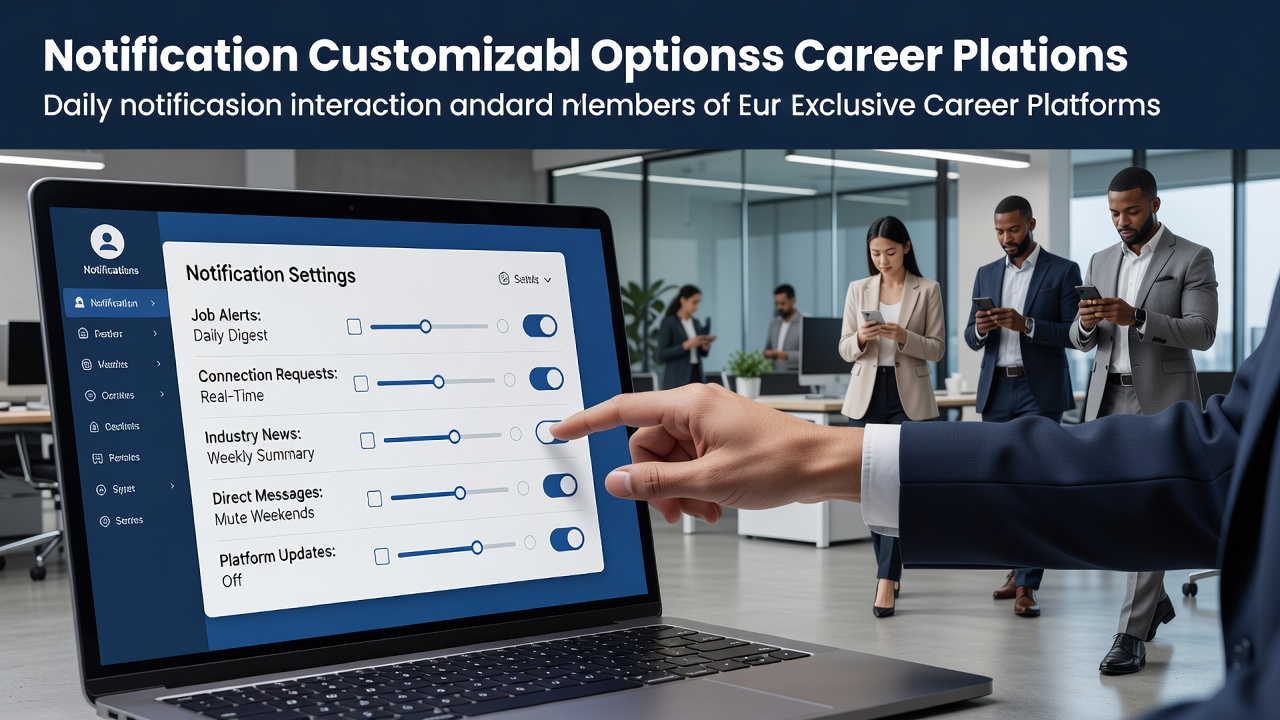
Exclusive career platforms restrict membership to verified professionals in specific fields such as executive leadership, medical research, or legal practice, and these networks provide granular notification controls that let users select delivery channels, frequency thresholds, and topic categories for alerts about messages, job postings, connection requests, and industry updates. Members adjust these settings through dashboard menus that include toggles for real-time push notifications, daily email summaries, and silent in-app badges, which in turn alters when and how often they open the application during work hours or evenings.
Customization begins with baseline options that platforms activate by default, yet users quickly refine them after initial onboarding because broad alerts generate high volumes of interruptions while narrow filters surface only high-priority items. Observers note that professionals who limit notifications to direct messages and verified job matches tend to log in at predictable intervals rather than responding to every ping, whereas those who enable broader categories often integrate platform checks into existing routines such as morning coffee or commute periods. Data from the European Commission's digital single market report shows measurable shifts in session length once users apply custom filters, with average daily time spent rising when irrelevant alerts decrease.
Platform Features That Enable Tailored Alerts
Exclusive networks segment notification types into distinct buckets that include connection activity, content engagement, event invitations, and profile visibility metrics, and each bucket offers independent controls for volume and timing. Users can mute entire categories during weekends or set quiet hours that suppress push deliveries between 10 p.m. and 7 a.m., actions that researchers at the University of Melbourne documented as common among senior members who balance platform use with family schedules. These granular choices extend to delivery method so that urgent items route to mobile while routine updates arrive only through weekly digests, creating distinct rhythms of interaction that vary by role and seniority level.
Advanced settings further allow keyword filters that trigger alerts only when posts contain terms such as "board seat" or "clinical trial collaboration," and platform analytics reveal that members who activate such filters open fewer total notifications yet respond at higher rates to the ones they receive. In November 2026 several networks introduced AI-assisted suggestion engines that recommend filter presets based on past behavior, and early adoption figures indicate that new users accept these presets more readily than manual configuration alone.
Observed Changes in Daily Routines
Professionals who customize notifications report opening their chosen platform at fewer but more intentional moments throughout the day, often aligning checks with existing calendar blocks rather than reacting to incoming signals. Those who retain default settings encounter more frequent prompts that fragment attention during focused work periods, while customized users experience longer stretches of uninterrupted time followed by concentrated review sessions. One study of mid-career executives found that participants who disabled non-essential alerts increased their response rate to connection requests by concentrating attention on a smaller queue, and similar patterns appeared among medical researchers who filtered alerts to grant deadlines and publication opportunities.
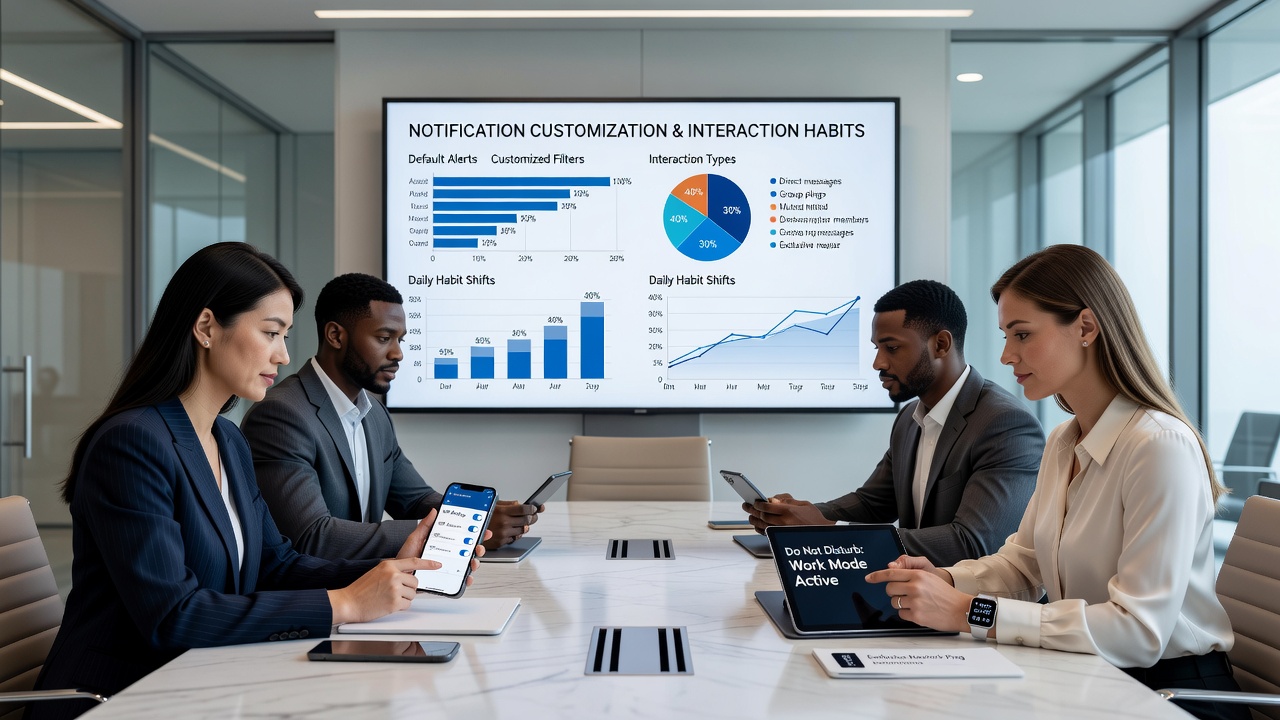
Habit formation extends beyond login frequency to include secondary behaviors such as batch processing of messages during designated slots or forwarding selected alerts to team assistants for triage. Platforms track these patterns through anonymized usage logs that show reduced bounce rates when users apply custom quiet hours, because fewer irrelevant notifications reduce the chance that members close the app without engaging further. Observers have documented that members who set topic-specific alerts for industry news tend to follow up with external searches or note-taking, thereby extending platform interaction into broader professional workflows.
Comparative Data Across Membership Tiers
Entry-level members on exclusive platforms often begin with broader notification settings because they seek maximum visibility into opportunities, yet longitudinal tracking reveals that these same users narrow their preferences within the first three months as they identify which alert types produce actionable results. Senior members, by contrast, apply restrictive filters from the outset and maintain them consistently, producing steadier but lower-volume engagement metrics. Aggregate platform data collected in 2025 and early 2026 indicates that customized accounts generate 18 percent fewer total sessions yet achieve 27 percent higher completion rates for in-platform tasks such as profile updates or event RSVPs.
Regional differences also surface in the data, with members based in European time zones showing stronger adoption of weekend mute options compared with North American counterparts who more frequently retain 24-hour push delivery. These variations align with differing labor regulations around after-hours connectivity rather than platform design alone, and they illustrate how external policy environments interact with customization tools to shape daily habits.
Conclusion
Notification customization on exclusive career platforms functions as a primary mechanism through which members regulate attention allocation, and available controls allow individuals to align platform engagement with professional priorities and personal boundaries. Usage patterns documented across multiple networks demonstrate that tailored settings correlate with more deliberate login behavior, higher response quality, and integration of platform activity into existing schedules. As platforms continue to refine suggestion tools and filter options, the relationship between customization choices and daily interaction habits remains a measurable driver of member experience on these specialized networks.